


The initial experiments with the DCT machine used a signal generator to drive the coil at specific frequencies. This led to a simple question:
What would happen if, instead of using a signal generator, we allowed the human body itself to drive the coil?
This became the basis of what we now call the Feedback Coil.
The Feedback Principle
Various approaches were developed to connect a person directly to the coil.
One of the earliest designs used two metal plates connected to the coil. The person placed their bare feet on the plates while listening to music, relaxing and allowing the body to settle without trying to control the experience.
Other variations followed, including handheld metal tubes and a dual-purpose single tube that could either operate in feedback mode or be driven conventionally by the signal generator.
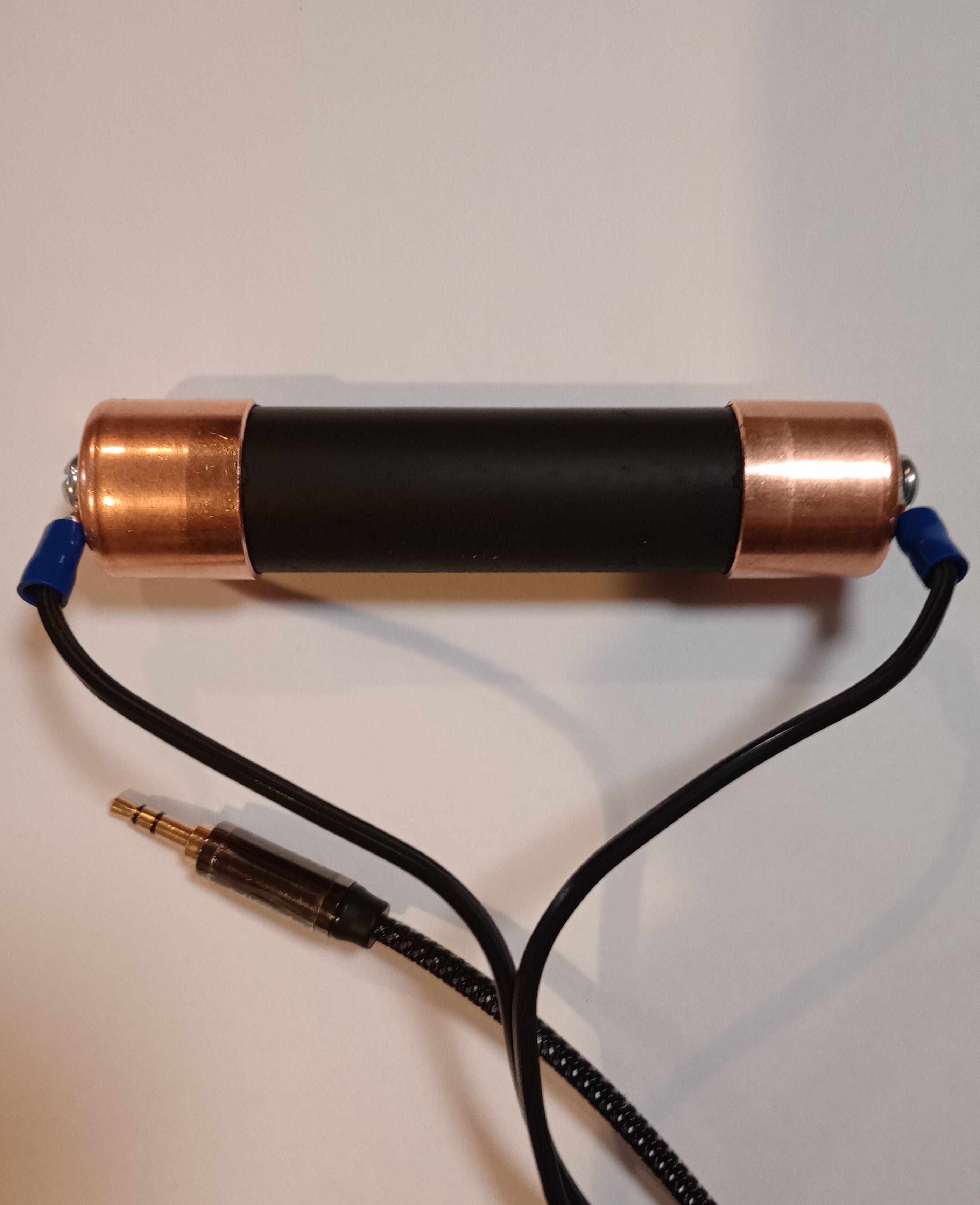
The small electrical potentials naturally present within the body energise the coil, creating a feedback arrangement between the person and the coil.
Experiences with the Feedback Coil
People using the feedback system have reported:
A stronger sense of connection with music.
A feeling that the music surrounds or envelops them.
Tingling sensations in different parts of the body.
Mild muscular movement or involuntary shaking.
A sense of calmness and relaxation following the session.
Improved sleep when used before going to bed.
Our observations have shown that empaths and energetically sensitive people can respond particularly quickly to the Feedback Coil.
A session would normally last approximately ten minutes. If sensations become uncomfortable, painful or unusually strong, the session should be stopped immediately.
Our present approach is to use the machine once a day for three consecutive days, followed by a break of approximately one week.
These experiments naturally raised another question:
What exactly is happening within this feedback arrangement, and how might we make practical therapeutic use of it?
Development of the Feedback Dongle
As the principle simply requires connecting the person to the coil, we began exploring ways of making the system smaller, simpler and wearable.
The most notable development was the Feedback Dongle — a small wearable device that can be worn like a pendant around the neck.
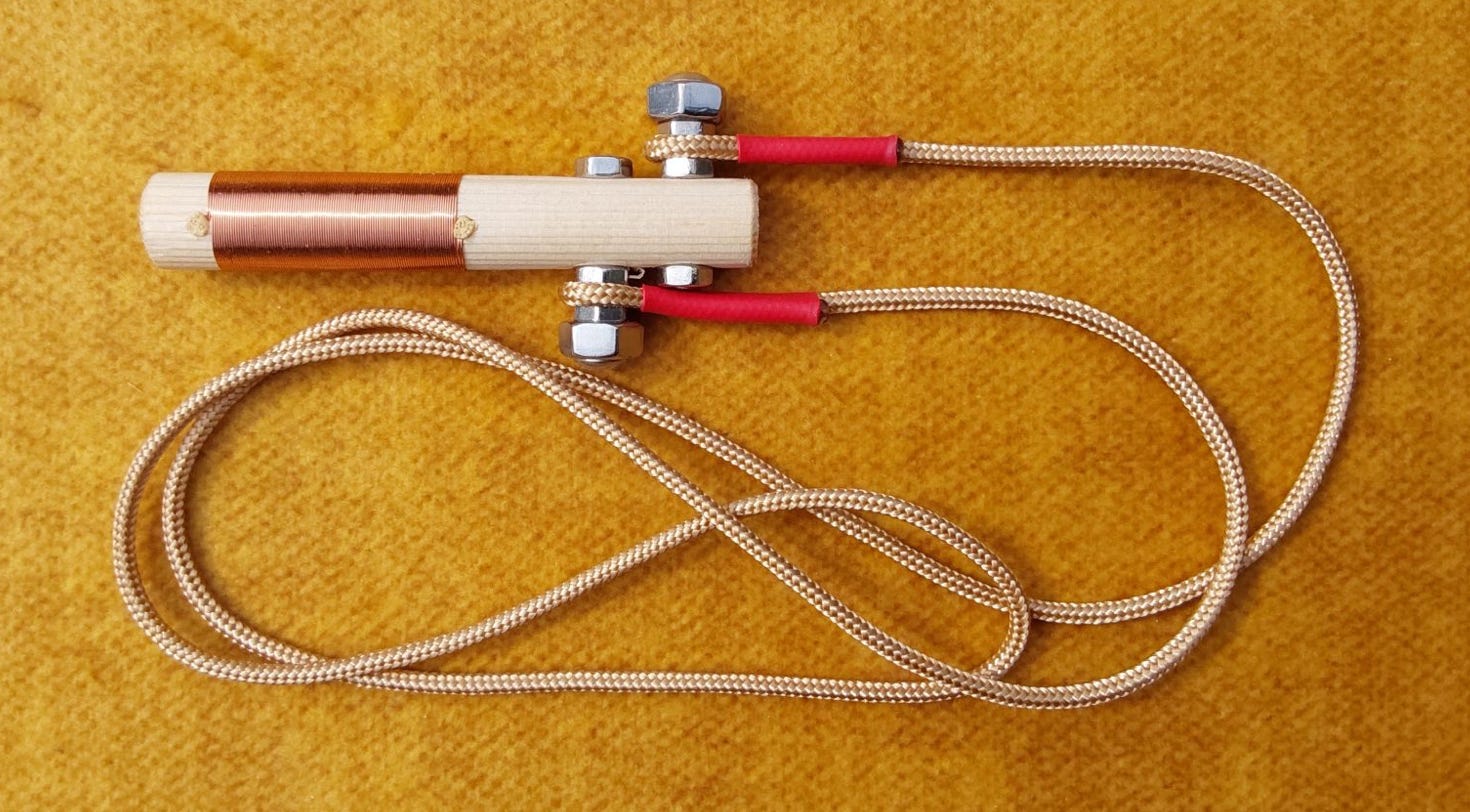
The connections from the coil make intermittent contact with the body as the person moves. A number of people have reported remarkable results from these devices. The following is one such testimonial:
For the past 50 years I have had hayfever, especially during the summer months. However, around 10 years ago we started using DCT machines to potentize water, and I was able to get an amazing amount of relief from the symptoms and ceased taking any prescribed medication.
This year (for the sake of science) I have stopped using the potentized water so I can test the effectiveness of the Feedback Technology.
I have spent many hours today driving and walking in the beautiful Devon (U.K.) countryside and was very much aware of the familiar symptoms: runny nose, sneezing, itchy palate and eyes.
I let the symptoms manifest and then used the tiny Portable Feedback Machine. The results were absolutely amazing! Within 10 seconds I could feel the symptoms begin to subside and within a minute they had completely gone. Additionally, there was an unusual sense of freshness regarding my sinuses! I had itchy eyes on just one occasion and they took a few minutes to return to normal.
The treatment seems to be negating the reactions but not acting as a long-term cure!
I intend to pursue this fascinating research further.
Further Developments
Another variation of the dongle was developed in the form of a wristband, and again a number of people found these devices beneficial.

The progression from a signal-generator-driven coil, to a human-powered feedback system, and eventually to small wearable devices has opened another interesting area of DCT research.
As with the other applications of DCT technology, considerably more experimentation is required. In particular, we want to understand how the feedback interaction works, what determines individual responses, and how these simple wearable devices can best be used as an emerging healing modality.
Return to 🔗 What are the Applications of Double Coil Technology?